
All articles
Practice · 6 min read ·
Why Early Intervention Happens in a Child's Natural Environment
Strategies early intervention therapists use to turn bath time, meals, and play into practice — and why services happen at home, day-care, or the park instead of a clinic.
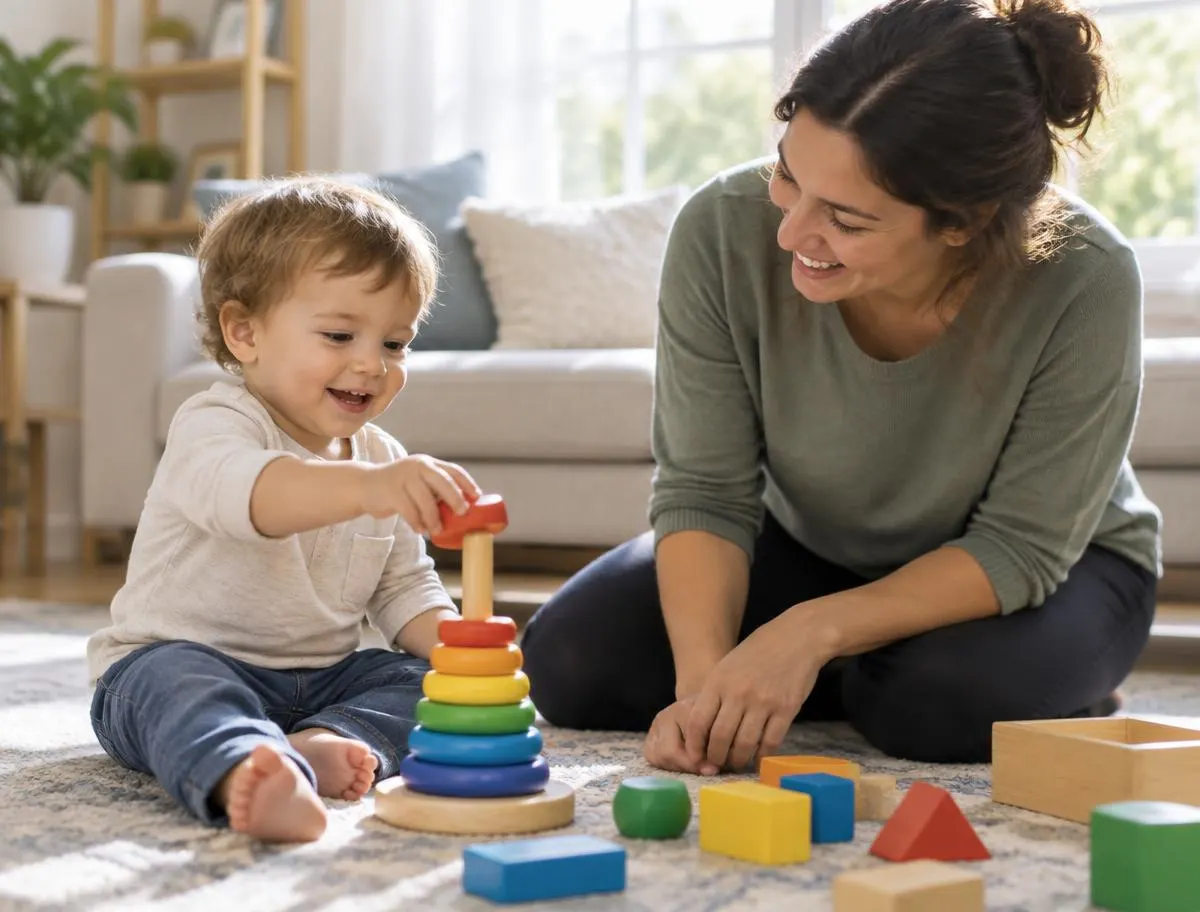
Early intervention under California Early Start is delivered in the child's natural environment: the places a child already lives, plays, eats, and sleeps. That might be the living room, a grandparent's kitchen, a day-care classroom, or the neighborhood park. It is not a convenience — it is how young children learn best.
Why the setting matters
- Toddlers learn through repetition inside daily routines, not in short isolated sessions.
- Skills practiced with a child's own toys, furniture, and people carry over more easily.
- Caregivers can practice strategies in the exact moment they will use them all week.
- Therapists see real-world challenges — the high chair, the stairs, the busy sibling.
Practical strategies therapists use
- Embed goals in routines: practice reaching and grasping during snack, or naming body parts in the bath.
- Use what is already there: laundry baskets become push toys, couch cushions become an obstacle course.
- Follow the child's lead: join the play they choose, then build one small step onto it.
- Coach, don't perform: model a strategy briefly, then hand it to the caregiver and give feedback.
- Plan the in-between: agree on two or three moments each day where the family will try the strategy.
- Leave the toy bag light: fewer outside materials keeps the focus on the home's own routines.
Why we don't offer telehealth
Every Child Achieves provides services in person, in the natural environment. Our funding contracts do not allow telehealth, and our team believes being in the room — on the floor, with the family — is where the work happens.